What Tracking Data Means for Elephant Corridors
Elephants do not live inside park boundaries. They move across rangelands, between water sources, and through landscapes shared with people — and the routes they use are only protectable if someone can prove they exist.
That is the quiet power of long-term tracking data. Years of GPS movement records turn anecdote into evidence: which corridors animals actually use, how often, in which seasons, and what happens when a route is blocked.
Save the Elephants’ Annual Report 2025 shows what that evidence can achieve. Among the milestones it describes is the legal recognition of the Oldonyiro corridor in northern Kenya — a movement route documented through years of tracking work — alongside a recovering Samburu population that welcomed 188 calves, and continuing coexistence programmes across the region.
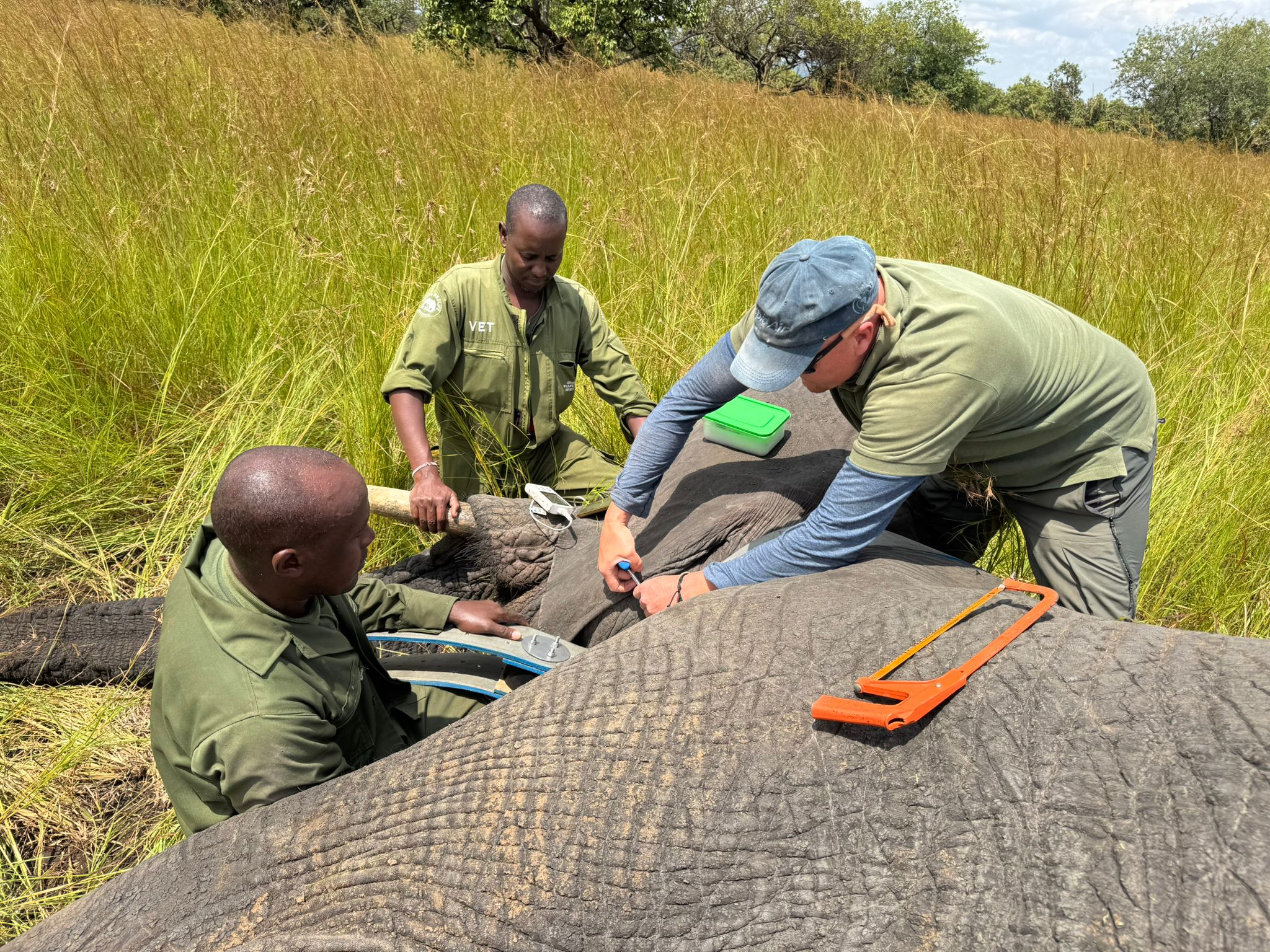
For field teams, the lesson is practical. Corridor protection, land-use planning, and human-elephant coexistence all start with the same raw material: reliable, long-running movement data from collars that keep working year after year.
It is conservation context like this that shapes how we build our elephant collars — for the long deployments that corridor science demands.
This post draws on publicly available conservation reporting. Conservation outcomes described are those of the organizations cited.